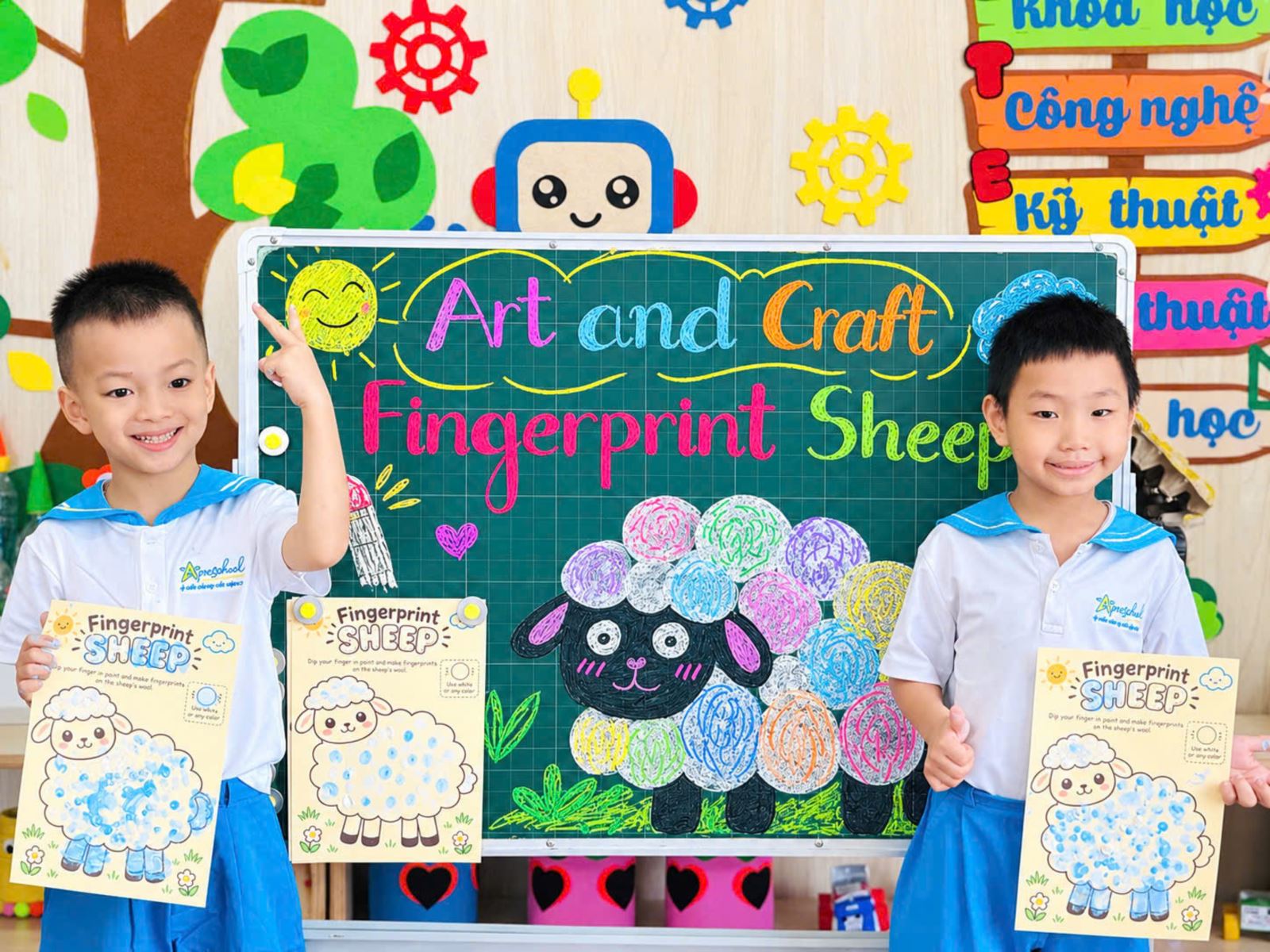
When choosing a school for their child, tuition fees are one of the key concerns for many parents, alongside the learning environment and quality of care. In particular, at private preschools, families may need to pay for additional expenses beyond the basic tuition fees, such as meals, uniforms, learning materials, or other services.
1. What Costs Are Included in Private Preschool Tuition Fees?
Depending on each school's policies, fees may be combined into a single payment or charged separately. In general, parents should consider the following expenses:
1.1. Educational Program Tuition Fees
This is the main fee, covering teaching activities and educational programs that support children's development in areas such as language, thinking, physical development, life skills, and creative activities.
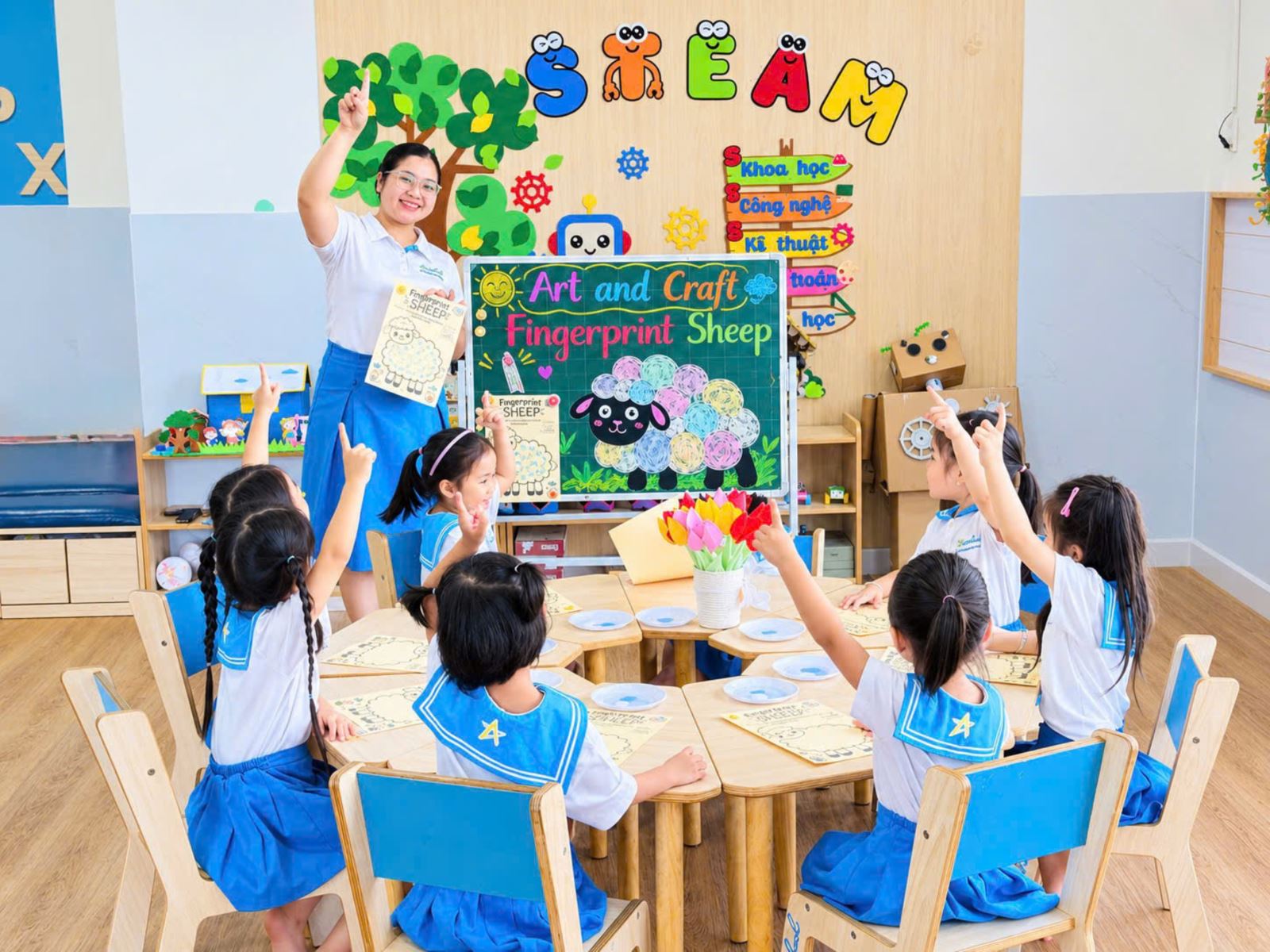
For bilingual or international preschools, tuition fees may be higher due to additional English programs, foreign teachers, and specialized educational activities.
1.2. Meals and Full-Day Care
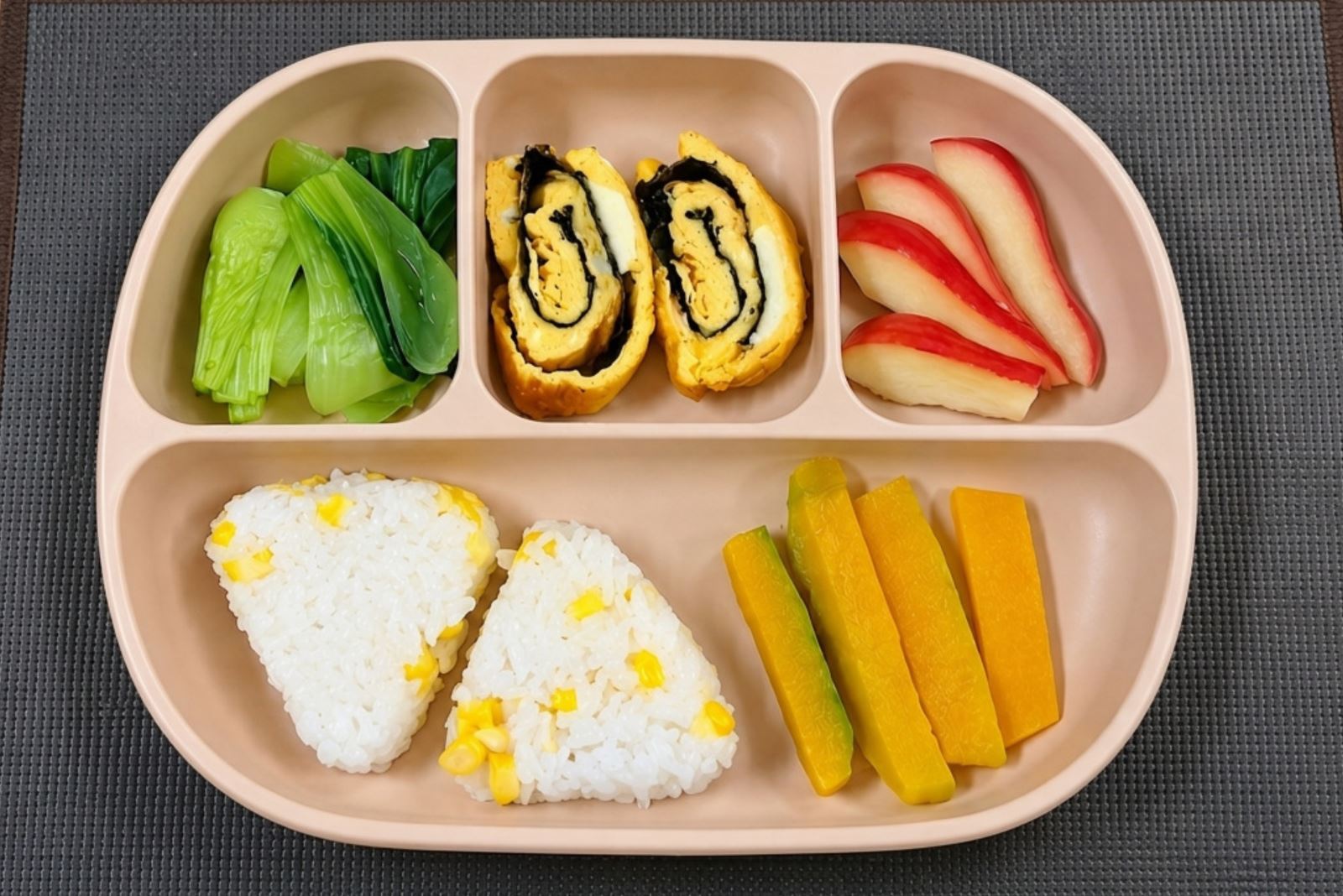
Meal fees typically cover daily meals, such as breakfast, lunch, and snacks, depending on the school's daily schedule.
Some schools include meal costs in their tuition fees, while others charge separately on a monthly basis or according to the number of days a child eats at school. Parents should clarify this in advance to calculate the total cost accurately.
1.3. Facilities and Learning Materials Fees
These fees may cover learning supplies, educational materials, arts and crafts supplies, educational equipment, or facility maintenance costs. Depending on the school, these fees may be charged monthly, per semester, or annually.
1.4. Enrollment Fees and Uniforms
When enrolling a child for the first time, parents may need to pay registration or enrollment fees and purchase uniforms, backpacks, and other personal items. These are generally initial expenses and do not necessarily need to be paid every month.
1.5. Service Fees and Extracurricular Activities
Parents may need to pay additional fees for services such as school transportation, extended childcare hours, extracurricular classes, or field trips and experiential learning activities, depending on the school's policies and the services used.
2. How Much Are Private Preschool Tuition Fees?
Private preschool tuition fees depend on the location, educational program, facilities, and additional services provided. The following fee ranges are for reference purposes to help parents plan their budgets.
|
Fee Category
|
Estimated Cost
|
|
Standard preschool tuition
|
VND 2–5 million/month
|
|
Bilingual preschool tuition
|
VND 4–10 million/month
|
|
Full-day meal fees, if charged separately
|
VND 600,000–1,500,000/month
|
|
Facilities and learning materials fees
|
VND 500,000–1,000,000/year*
|
|
Enrollment fees
|
VND 0–2 million
|
|
Uniforms and personal items
|
VND 300,000–1,000,000
|
|
School transportation, if needed
|
VND 500,000–2,000,000/month
|
Note: The fees listed above are for reference only and do not represent the official price list of any specific school. Actual costs may vary depending on the location and each school's policies. Some expenses may already be included in the tuition fees.
Example of How to Calculate Total Monthly Costs
Suppose a child attends a preschool with monthly tuition fees of VND 3,500,000, meal fees of VND 900,000, and school transportation fees of VND 800,000.
The estimated total cost would be:
-
Tuition fees: VND 3,500,000.
-
Meal fees: VND 900,000.
-
School transportation: VND 800,000.
Total: VND 5,200,000 per month.
If the school charges additional beginning-of-year fees or uniform costs, parents should calculate these expenses separately to plan their budgets more effectively.
3. Why Do Private Preschools Have Different Tuition Fees?
Tuition fees may vary due to several key factors:
-
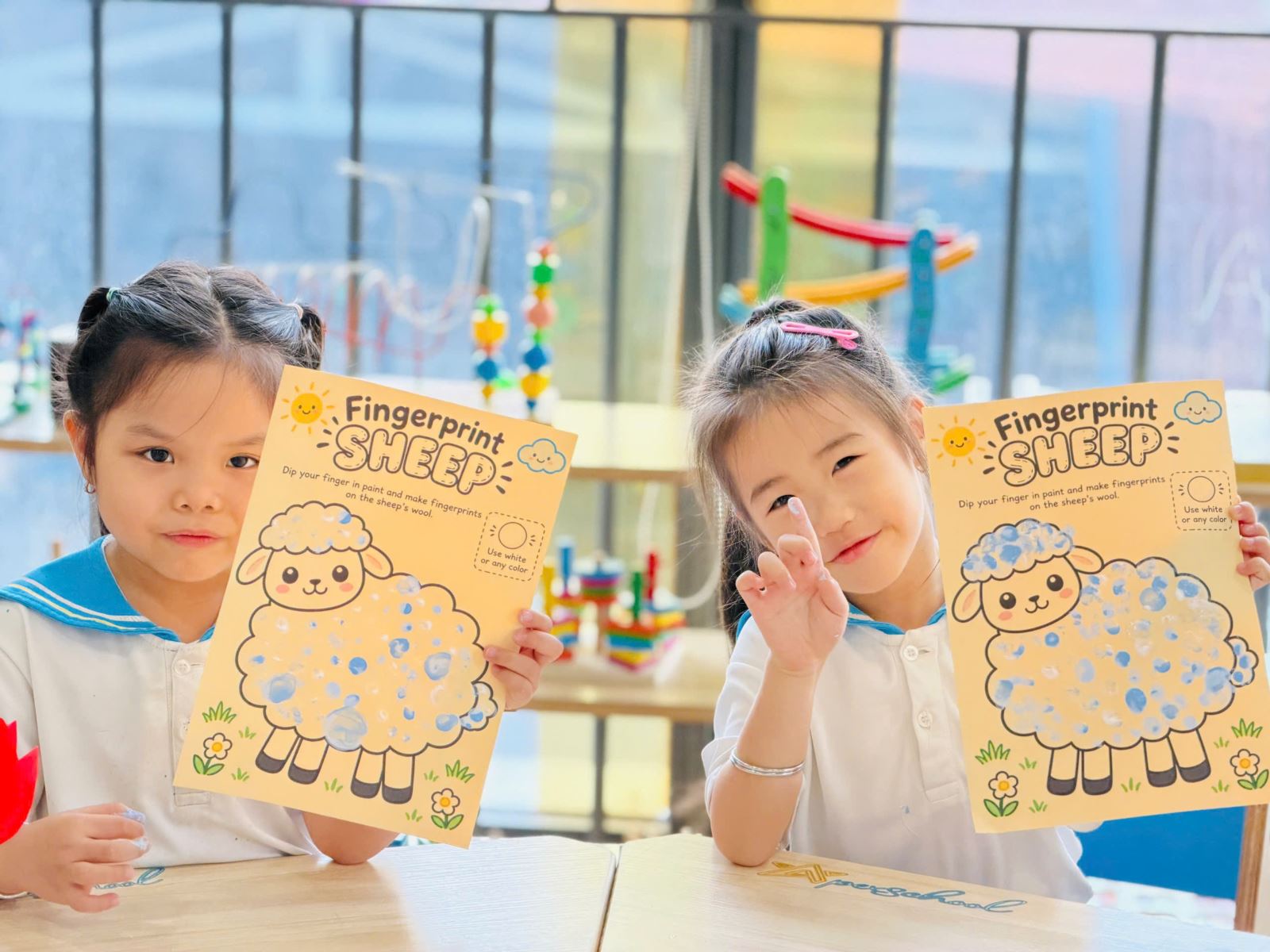
Educational programs: Bilingual programs, intensive English programs, or STEAM education may affect tuition fees.
-
Teaching staff: Teachers' professional qualifications, the number of teachers, and the teaching hours provided by foreign teachers.
-
Facilities: Classroom space, playgrounds, equipment, and areas for daily activities.
-
Childcare services: Nutrition, the number of meals provided, and the level of support children receive in their daily routines.
-
Additional services: School transportation, extended childcare hours, and extracurricular activities.
Therefore, higher tuition fees do not necessarily mean better quality in every case. Parents should consider the overall value their children receive rather than comparing prices alone.
4. Tips for Choosing a Preschool That Fits Your Budget
To choose a suitable preschool, parents should keep three things in mind:
-
First, request a detailed fee schedule. Confirm whether tuition fees include meals, learning materials, and activities, and identify any additional charges.
-
Second, calculate the actual total cost. In addition to monthly expenses, budget for enrollment fees, uniforms, and other charges collected throughout the school year.
-
Third, evaluate the quality of care and education. Learn about the educational programs, teaching staff, menus, learning environment, and how the school communicates with parents.
A suitable preschool is one that supports a child's development, helps them feel safe and happy at school, and fits the family's financial circumstances.