Caring for children during the preschool years (ages 1–6) lays the foundation for their lifelong health and development. During this critical stage, children's immune systems are still developing, making them more susceptible to common illnesses such as colds, coughs, fevers, sore throats, and digestive problems.
Below are 10 science-based tips recommended by pediatric experts, carefully compiled to help parents support their children's health and well-being in everyday life.
Why Are the Preschool Years So Important?
The years between ages 1 and 6 are often referred to by child development experts as the "golden window" of development. During this critical period, children experience rapid growth not only physically but also cognitively, emotionally, and socially while developing lifelong habits.
Everything established during these early years can have a lasting impact throughout a child's life. That is why proper preschool care is not simply about reducing the number of common illnesses—it is about laying a strong foundation for lifelong health, well-being, and holistic development.
10 Effective Tips for Caring for Preschool Children
1. Build a Balanced and Nutritious Diet
Nutrition influences much more than a child's height and weight—it plays a vital role in building a strong immune system. Children who receive adequate nutrition are significantly better equipped to fight infections than those who consume plenty of food but lack essential nutrients.
Parents should ensure that every meal includes the four major food groups:
-
Carbohydrates
-
Protein
-
Healthy fats
-
Vitamins and minerals
Fresh vegetables and fruits should be included in the daily diet. In particular, micronutrients such as zinc, iron, vitamin C, and vitamin D are essential for strengthening children's immune systems. Whenever possible, parents are encouraged to obtain these nutrients from natural foods before considering dietary supplements.
2. Ensure Quality Sleep Don't Let Your Child Become Sleep-Deprived Without Realizing It
Many parents are unaware that insufficient sleep is one of the leading reasons preschool children frequently become ill.
During sleep, the body releases growth hormones, repairs damaged cells, and strengthens the immune system. When children do not sleep long enough or experience poor-quality sleep, all of these essential processes are disrupted.
Preschool children should sleep 10–13 hours per day, including daytime naps.
Parents should:
-
Establish a consistent bedtime before 10:00 p.m.
-
Maintain the same sleep schedule every day, including weekends.
-
Turn off televisions, tablets, and smartphones at least one hour before bedtime.
These simple adjustments often have a far greater impact on children's health than relying on nutritional supplements alone.
3. Teach Good Personal Hygiene Habits
Bacteria and viruses do not simply appear out of nowhere—they enter a child's body through unwashed hands, the mouth, and contact with contaminated surfaces. This is why practicing good personal hygiene is considered one of the simplest yet most effective ways to prevent illness.
Parents should help children develop healthy daily habits such as:
-
Washing their hands with soap before meals and after using the toilet.
-
Bathing every day, especially after outdoor play.
-
Brushing their teeth every morning and evening.
-
Keeping their fingernails clean and neatly trimmed.
Although these routines may seem obvious, many young children are not taught the correct techniques from an early age. Establishing these habits early helps reduce the spread of infectious diseases and encourages lifelong healthy behaviors.
4. Encourage Daily Physical Activity
Children who spend most of their day sitting in front of screens are more likely to have poor appetites, experience lower-quality sleep, and develop weaker immune systems. Numerous pediatric studies have shown that regular physical activity supports stronger bones and muscles, improves immune function, and contributes to better emotional well-being.
Parents should encourage preschool children to spend 30–60 minutes being physically active outdoors every day through age-appropriate activities such as:
-
Running
-
Cycling
-
Playing football
-
Participating in group games
Morning sunlight also helps the body naturally produce vitamin D, a nutrient that many children do not get enough of despite its importance for healthy growth and immune function.
5. Keep Vaccinations Up to Date
Among all the strategies for caring for preschool children, timely vaccination remains the most effective and scientifically proven medical intervention for preventing serious infectious diseases.
No dietary supplement or traditional remedy can protect children against diseases such as diphtheria, whooping cough, Japanese encephalitis, or measles as effectively as vaccines.
Parents should:
-
Follow the national immunization schedule recommended by the Ministry of Health.
-
Keep vaccination records in a safe place.
-
Monitor their child's condition for 24–48 hours after each vaccination.
If any unusual symptoms occur, parents should contact a healthcare professional immediately.
6. Maintain a Clean and Healthy Living Environment
Young children's respiratory systems are highly sensitive to dust, mold, and air pollutants. Poorly cleaned rooms, unwashed toys, and poorly ventilated spaces create ideal conditions for bacteria and viruses to thrive.
Parents can help reduce these risks by:
-
Cleaning the home at least two to three times a week.
-
Keeping children's bedrooms clean, bright, and well ventilated.
-
Disinfecting toys regularly.
-
Avoiding exposure to cigarette smoke, including secondhand smoke.
A clean environment significantly reduces children's risk of respiratory and infectious diseases.
7. Minimize Exposure to Sources of Infection
Because their immune systems are still developing, preschool children are more vulnerable to infections than adults. Even brief close contact with someone who is sick may be enough for a child to become infected.
During flu season or disease outbreaks, parents are advised to:
-
Avoid taking children to crowded public places whenever possible.
-
Have children wear a face mask when appropriate.
-
Encourage them to wash their hands immediately after returning home.
These simple precautions can greatly reduce the likelihood of infection while helping children develop healthy hygiene habits.
8. Make Sure Your Child Drinks Enough Water Every Day
Water accounts for more than 70% of a young child's body and plays an essential role in almost every physiological process, including digestion, nutrient absorption, circulation, and immune function.
Children who do not drink enough water may become tired more easily, have difficulty concentrating, and experience reduced immunity.
On average, preschool children need approximately 1–1.5 liters of fluids per day, including water obtained from soups, milk, and fruits.
Parents should encourage children to drink water regularly throughout the day instead of waiting until they feel thirsty, as thirst is already a sign that the body has begun to lose water.
9. Schedule Regular Health Checkups
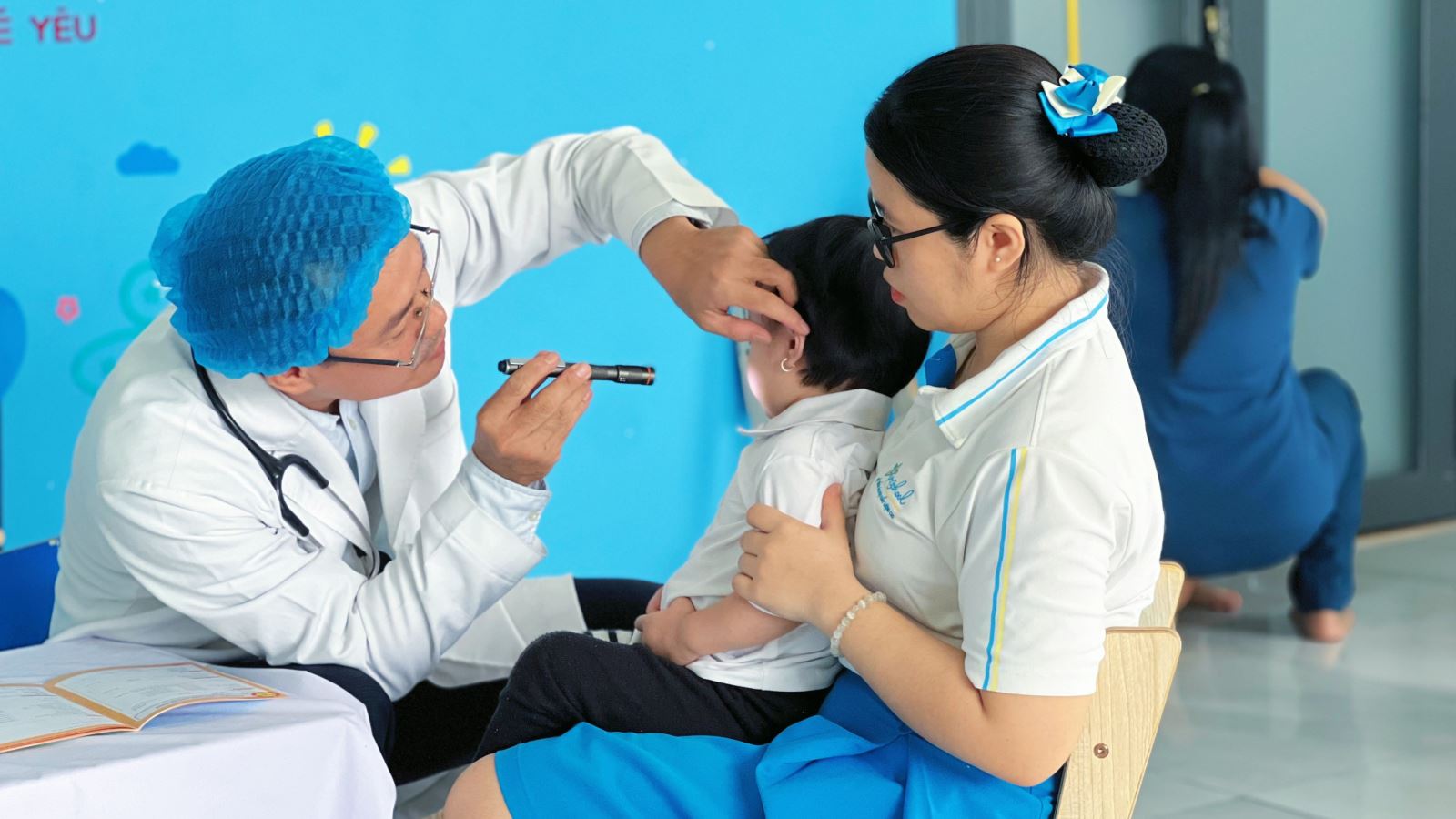
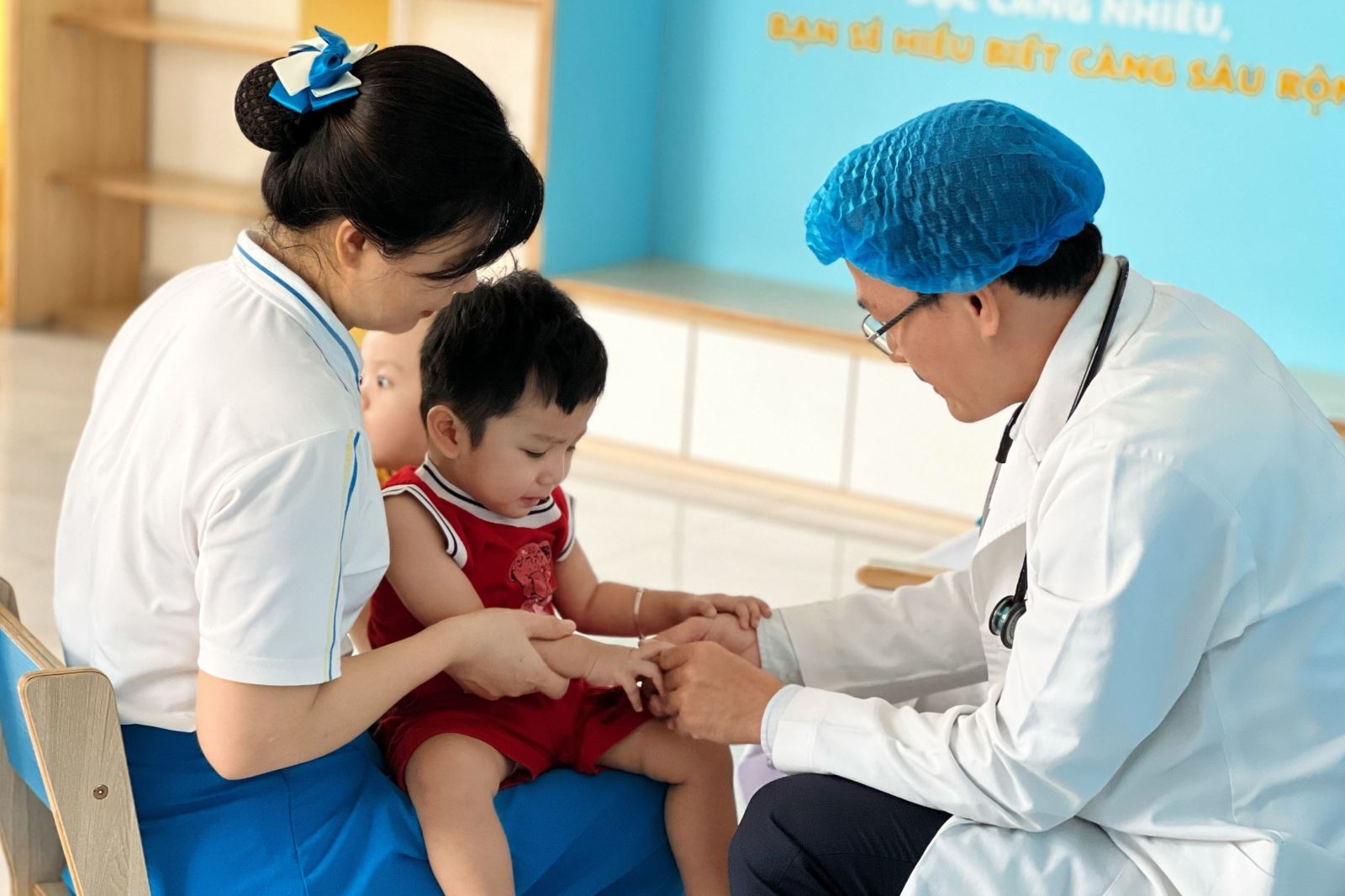
Many childhood health concerns—including nutrient deficiencies, delayed growth, and developmental issues related to speech or motor skills—can be detected and addressed early through routine health checkups.
Rather than waiting until a child becomes noticeably ill, parents should schedule regular medical examinations at a trusted healthcare facility every three to six months.
Monitoring a child's height, weight, and developmental milestones on a regular basis provides valuable information for both parents and healthcare professionals, allowing them to adjust nutrition, lifestyle, and care plans whenever necessary.
10. Create a Positive Emotional Environment
Scientific research has shown that children who grow up in stressful environments—where they are frequently scolded or placed under constant pressure—often have weaker immune systems than children raised in loving and supportive homes.
Long-term stress increases the level of cortisol, a hormone that can suppress immune function and negatively affect both physical and emotional development.
Creating a positive emotional environment does not mean parents need to be perfect or never become frustrated. Instead, it means making an effort to:
-
Build a warm and relaxed family atmosphere.
-
Spend quality time talking and playing with your child every day.
-
Listen to your child's feelings.
-
Respect your child's unique personality and pace of development.
Feeling loved, secure, and emotionally supported is just as important as receiving proper nutrition and healthcare.
Common Mistakes Parents Make When Caring for Preschool Children
Even with the best intentions, many parents unknowingly make mistakes that may affect their child's health and development.
Providing Too Much Food but an Unbalanced Diet: Eating more does not necessarily mean receiving enough nutrition. A child with a healthy body weight may still be deficient in important nutrients such as zinc, iron, or vitamin D.
Overusing Electronic Devices: Excessive screen time can negatively affect sleep quality, eyesight, attention span, and language development.
Not Encouraging Enough Physical Activity: A sedentary lifestyle increases the risk of obesity while weakening muscles, bones, and the body's natural immune defenses.
Missing or Delaying Vaccinations: Skipping or postponing recommended vaccinations is one of the most serious yet preventable mistakes parents can make.
Creating Excessive Pressure and Stress: Emotional stress affects much more than a child's mood. Prolonged stress weakens the immune system and may have lasting effects on overall growth and development.
Caring for Preschool Children Doesn't Have to Be Complicated Consistency Is the Key
Providing effective care for preschool children does not require complicated routines or expensive products.
Most of the recommendations above involve simple daily habits. When practiced consistently, these small actions create a strong foundation for children's physical, emotional, and cognitive development.
Most importantly, parents should not become overly anxious whenever their child gets sick. Occasional illnesses are a natural part of growing up, helping children's immune systems learn how to respond to infections.
Rather than trying to eliminate every illness, parents should focus on creating the healthiest possible environment in which their children can grow, learn, and develop at their own pace.
If you are looking for a preschool that supports your child's overall development—from nutrition and physical activity to emotional well-being and experiential learning—Apexschool provides a nurturing educational environment where every child is encouraged to reach their full potential.
Frequently Asked Questions (FAQs)
How many hours should preschool children sleep each day?
How can I strengthen my preschool child's immune system?
What nutrients are essential for preschool children?
How often should preschool children have health checkups?
Should preschool children take immune-boosting supplements?